
Loading...
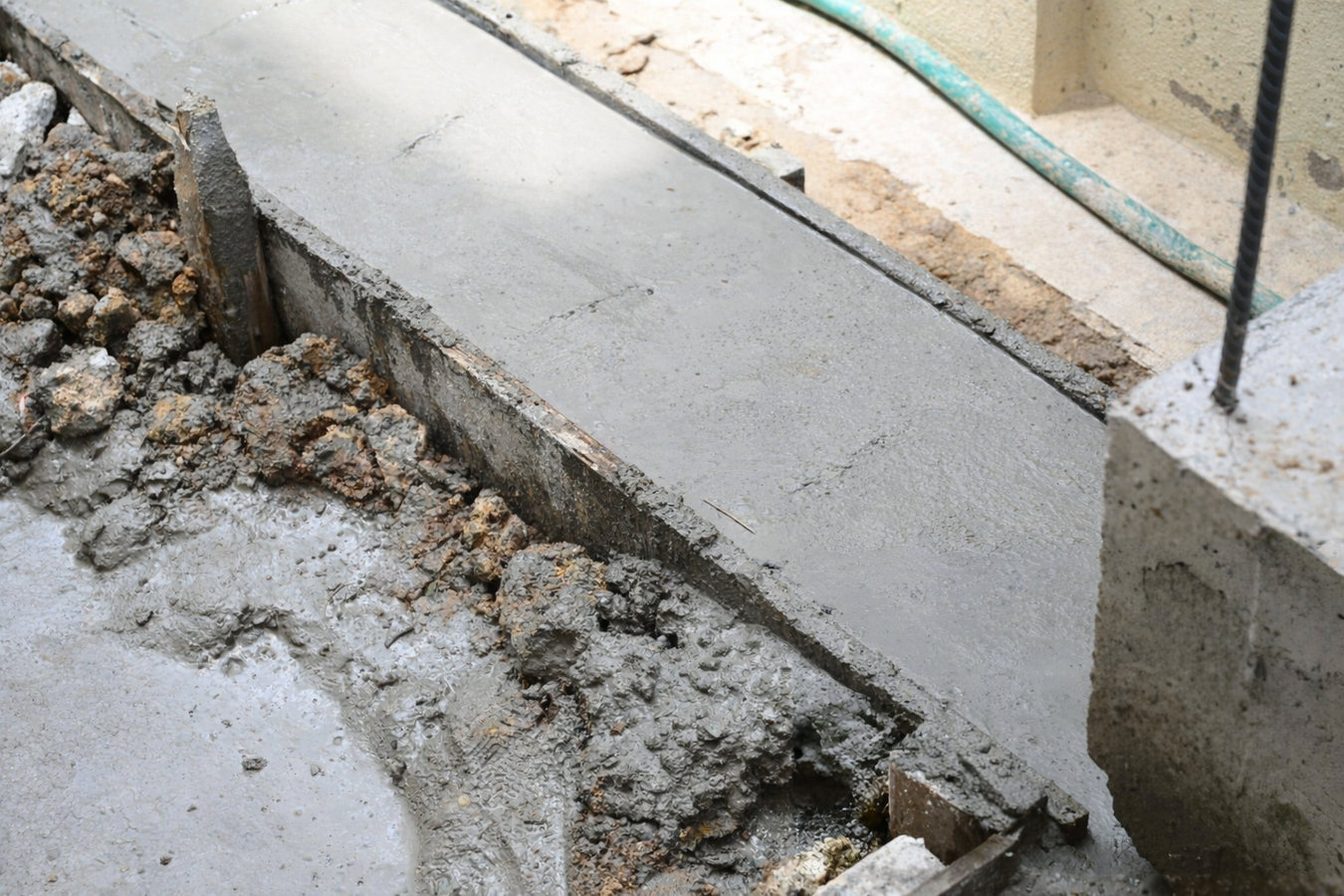
Sunken driveways, tilted patios, and tripping-hazard sidewalks are common in Bloomington because of clay soil and hard winters. We lift your slab back to level, patch the drill holes, and leave you with a written estimate before any work starts.
Foundation raising in Bloomington lifts sunken concrete slabs by pumping a fill material underneath them to restore the original level position - most residential jobs on driveways, patios, or sidewalk sections are completed in two to eight hours, and you can walk on the surface the same day. The two main methods are mudjacking, which uses a cement-soil slurry, and polyurethane foam injection, which uses a lighter expanding foam that cures faster.
Bloomington homeowners deal with sinking slabs more often than people in milder parts of the country because of two local factors: the clay-heavy soils of McLean County and the hard freeze-thaw cycles that hit central Illinois every winter. The clay expands and contracts with moisture changes, and water that gets under a slab and freezes pushes the concrete up - then drops it unevenly when it thaws. If you have been watching a slab tilt a little more each spring, that pattern will continue without a fix. Many homeowners who contact us about foundation raising end up discussing whether a full slab foundation building project makes more sense - we give you an honest answer after seeing the slab in person.
If one section of your concrete sits noticeably higher or lower than the one next to it, that is a classic sign of settling. In Bloomington, this often shows up after a wet spring or a hard winter when the clay soil has shifted underneath. A lip of even half an inch is a tripping hazard and will only get worse without attention.
If you notice water collecting against your house after a rainstorm, a sunken slab nearby could be directing water toward your home instead of away from it. This is common in Bloomington's older neighborhoods where original grading has shifted over decades. Left unchecked, that water can work its way into a basement or crawl space.
Walk across your garage floor and notice whether it feels tilted underfoot. Diagonal cracks running across a corner of the slab are a common sign that one section has dropped. In central Illinois, garage slabs are especially vulnerable because they are exposed to temperature swings and often sit on fill soil that was not well compacted at the time of construction.
If you can see a gap forming between your patio slab and your home's foundation, the slab has moved. That gap lets water in, which speeds up the settling and can eventually affect the soil right next to your foundation. This kind of separation is worth getting looked at sooner rather than later.
We offer both mudjacking and polyurethane foam lifting for Bloomington homeowners, and we recommend the method that fits your slab, your soil, and your timeline - not whichever one has a better margin for us. Every job starts with an in-person visit to assess how much the slab has dropped, check for cracks that might make raising impractical, and identify any drainage issues that need to be addressed so the repair holds. Mudjacking uses a cement-soil slurry pumped through one-to-two-inch holes drilled through the slab. Foam injection uses a lightweight expanding foam through smaller holes that cures much faster. Both methods result in patched holes and a level surface. For homeowners whose slabs have sunk beyond the point where raising makes practical sense, we can discuss whether concrete cutting and section removal is the right first step before replacing the affected area.
Illinois law requires contractors to call for utility locates before drilling any holes through a slab - we handle that step before the crew arrives so underground gas, electric, and water lines are marked and protected. The written estimate you receive before work begins covers the cost of the lift, hole patching, cleanup, and any drainage recommendations. There are no add-ons at the end of the job. We serve homeowners with sunken driveways, patios, sidewalks, garage floors, pool decks, and front stoops - all the surfaces Bloomington's winters and clay soil tend to push around over time.
Suits homeowners with larger sunken areas - driveways, patios, and garage floors - where the traditional cement-soil slurry method is the most cost-effective approach.
Suits homeowners who need faster curing, smaller drill holes, and a lightweight fill material that will not wash away - ideal for high-traffic areas or spots near your home's foundation.
For sunken sidewalk sections or front steps that have created a tripping hazard and need to be leveled before someone gets hurt.
For patio slabs and pool deck sections that have settled unevenly, creating drainage issues or gaps between sections that let water work underneath.
Bloomington sits in McLean County on glacially deposited soils with a significant clay content. Clay soil expands when it absorbs water and shrinks when it dries out - and it does both dramatically in central Illinois. Bloomington receives around 37 inches of precipitation per year, meaning the ground goes through meaningful wet-dry cycles every season. On top of that, Bloomington averages around 20 inches of snow per year and sees temperatures drop well below freezing from December through February. When water seeps under a slab and freezes, it expands and pushes the concrete up. When it thaws, the slab can drop unevenly. That cycle repeats every winter, which is why spring is one of the busiest times for foundation raising work in this area. The University of Illinois Extension has documented how central Illinois clay soils interact with moisture and structure loads - the same conditions that affect Bloomington slabs year after year.
A large share of Bloomington's homes were built in the 1950s through 1970s, when concrete placement and soil preparation standards were less rigorous. Older slabs in established neighborhoods are more likely to have settled over the decades. If your home is more than 40 years old, your driveway, sidewalk, and patio slabs are worth a close look. We provide foundation raising for homeowners throughout the Bloomington metro area, including Normal, IL and Pontiac, IL, where the same clay soils and freeze-thaw conditions create the same pattern of settling slabs.
Call or reach out through the contact form and describe which slabs are affected and roughly how much they have dropped. You do not need to have all the answers - we ask basic questions and schedule a free on-site assessment. We respond to all inquiries within 1 business day.
We come out to walk the affected areas with you, check how much the slab has settled, look for cracks that might change the recommendation, and assess the likely cause. This visit takes 30 to 60 minutes. You receive a written estimate covering the lift, patching, and cleanup before any work is scheduled.
Before the crew arrives, we call for the required utility locate so underground lines are marked and protected. Illinois law requires this step before any drilling. We schedule the job day and give you a realistic time window so you are not waiting around all morning.
The crew drills small holes through the slab, pumps the fill material underneath, watches the slab rise to level, patches the holes, and cleans up the work area. The whole process typically takes two to eight hours. Before they leave, they walk through the finished work with you so you can see the result and ask questions while they are still on-site.
We respond within 1 business day - no obligation, no pressure. We schedule a free on-site visit, assess your slab in person, and give you a written quote covering the lift, patching, and cleanup before any drilling begins.
(309) 239-1877We raise slabs across 12 communities in central Illinois, which means our crews see the same clay soils, freeze-thaw conditions, and drainage patterns throughout McLean County and the surrounding region. That local context shapes every recommendation we make on method and timing.
Before we recommend raising, we check whether your slab is a good candidate. If the slab is too cracked or has dropped too far, we tell you that directly - along with what makes more sense. A contractor who jumps straight to drilling without assessing the slab first is not doing you a favor.
Illinois law requires contractors to call JULIE - the free underground utility notification service - before drilling any holes through a slab. We handle this step before every job as a standard part of the process, not an afterthought, protecting your home and the crew from accidental utility strikes.
You receive a written estimate after the on-site assessment - not a phone number pulled out of thin air. The estimate covers the lift, utility locate, hole patching, and cleanup as individual items. The final invoice matches the estimate. No add-ons, no pressure to approve extra work on the spot.
Bloomington homeowners deal with settling slabs because of conditions that are specific to this part of Illinois - not just general aging. Working with a crew that understands those local conditions means you get a repair that is matched to your soil and your climate, not a generic fix applied anywhere.
Concrete cutting removes damaged slab sections cleanly before replacement - often the next step when a slab is too deteriorated for raising alone.
Learn moreWhen a slab is past the point of raising and replacement is the right call, we handle full slab pours engineered for Bloomington's frost depth and clay soil conditions.
Learn moreSpring is the busiest time for foundation raising in central Illinois - reach out now to lock in your assessment before the post-thaw rush and get ahead of any damage the winter left behind.